
Tag: Business

  • SEO for Visual Search: Strategies to Optimise Images for Enhanced Search Engine Visibility

    SEO for Visual Search: Strategies to Optimise Images for Enhanced Search Engine Visibility

    In the ever-evolving landscape of digital marketing, staying ahead of the curve is essential. One such emerging trend that has garnered significant attention is visual search. As users increasingly turn to images rather than text to find information, businesses are compelled to adapt their SEO strategies accordingly. This article delves into the rising trend of visual search, highlights its importance, and offers actionable strategies to optimise images and visual content for improved search engine visibility. 

    The Ascendancy of Visual Search: 

    Visual search is revolutionising the way users interact with search engines. With the rise of platforms like Pinterest, Google Lens, and Bing Visual Search, users can now initiate searches by uploading images or snapping pictures. This intuitive approach enhances the user experience, but it also presents a new challenge for businesses striving to make their visual content discoverable. 

    Understanding the Importance of Optimisation: 

    Just as traditional SEO aims to rank text-based content higher in search results, visual SEO focuses on elevating the visibility of images and visual content. Optimising for visual search is not only about improving image search results but also about enhancing your overall online presence. When visual content is correctly optimised, it can lead to increased website traffic, brand exposure, and ultimately, conversions. 

    Strategies for Optimising Visual Content: 

    1. High-Quality Images

    The foundation of successful visual SEO is using high-quality, clear, and relevant images. Blurry or pixelated images not only deter users but also negatively impact search rankings. 

    1. Descriptive Filenames

     Rename image files to reflect their content accurately. Use descriptive keywords that are relevant to the image and your brand. Avoid generic filenames like “image001.jpg.” 

    1. Alt Text:  

    Just as alt text is crucial for accessibility, it’s also essential for visual SEO. Provide concise, meaningful descriptions of images using relevant keywords, ensuring they accurately convey the image’s purpose. 

    1. Image Compression:  

    Large image files can slow down page loading times, affecting both the user experience and SEO. Compress images without compromising quality to ensure fast loading speeds. 

    1. Structured Data Markup:  

    Implement schema markup specific to images. This code helps search engines understand the context of images, enabling them to be displayed as rich results in search listings. 

    1. Mobile-Friendly Design:  

    Given the prevalence of mobile devices, optimising images for mobile viewing is paramount. Ensure responsive design and appropriately sized images for various screen sizes. 

    1. Image Sitemaps:  

    Create and submit an image sitemap to search engines. This assists them in crawling and indexing your visual content more effectively. 

    1. User-Generated Content:  

    Encourage users to generate visual content related to your brand. User-generated images can enhance authenticity and engagement, positively impacting SEO. 

    1. Engaging Surrounding Content:  

    The context in which images appear matters. Complement images with engaging, relevant text to provide context and further aid search engines in understanding the content. 

    1. Leverage social media:  

    Utilise platforms like Pinterest and Instagram to showcase your visually appealing content. Social signals can indirectly impact search rankings. 

    Conclusion: 

    Visual search is no longer a distant concept; it’s a rapidly growing trend that businesses must integrate into their SEO strategies. Optimizing images and visual content for enhanced search engine visibility demands a comprehensive approach that includes high-quality visuals, descriptive metadata, technical optimizations, and an understanding of user intent. By embracing these strategies, businesses can ride the wave of visual search and secure a competitive edge in the dynamic digital landscape. 

  • Mobile-First Indexing: Unlocking Google’s Mobile-Powered Future

    Mobile-First Indexing: Unlocking Google’s Mobile-Powered Future

    With the exponential rise in mobile device usage, Google has taken a revolutionary step to cater to users’ evolving preferences. Enter “Mobile-First Indexing,” a game-changing approach that prioritises mobile-friendly websites in Google’s search rankings. In this article, we will delve into the concept of mobile-first indexing, understand its implications for website owners, and explore essential strategies to optimise websites for mobile devices, ultimately enhancing search visibility and the user experience. 

    Understanding Mobile-First Indexing 

    Traditionally, Google’s search index primarily used the desktop version of websites to assess their relevance and rank them in search results. However, as mobile usage surpassed desktop usage, the search engine giant recognised the necessity to adapt its indexing approach. Google’s mobile-first indexing prioritises the mobile version of websites for indexing and ranking in search results. 

    The shift to mobile-first indexing is driven by Google’s commitment to deliver the best possible user experience. With more people accessing the internet through smartphones and tablets, it is crucial for websites to be mobile-friendly to ensure seamless navigation and engagement on smaller screens. 

    Implications for Website Owners 

    1. Mobile Responsiveness Matters: 

     Websites that are not mobile-responsive may witness a decline in search rankings. Google prioritises mobile-friendly sites, making it essential for website owners to invest in responsive web design. 

    1. Content Parity:  

    Content parity refers to the need for websites to offer the same valuable content on both the desktop and mobile versions. Failing to provide comparable content may lead to a lower ranking in mobile search results. 

    1. Page Speed: 

     Mobile users demand quick loading times. Websites that prioritise optimising page speed for mobile devices are likely to gain an advantage in search rankings. 

    1. User Experience: 

     A seamless and intuitive user experience on mobile devices is critical. Websites should aim to offer easy navigation, readable text, and mobile-friendly buttons. 

    Optimising Websites for Mobile Devices 

    1. Embrace Responsive Design:  

    Responsive web design ensures that a website adapts gracefully to various screen sizes and devices, eliminating the need for separate mobile and desktop versions. 

    1. Prioritise Page Speed: 

     Use tools like Google PageSpeed Insights to identify opportunities for improving loading times. Compress images, leverage browser caching, and minify code to boost mobile page speed. 

    1. Streamline Content:  

    Optimise content for mobile consumption by breaking up long paragraphs, using concise headings, and prioritising essential information on the page. 

    1. Mobile-Friendly Media: 

     Ensure that all media elements, such as images and videos, are optimised for mobile viewing without compromising on quality. 

    1. Test Mobile Usability: 

     Google’s Mobile-Friendly Test tool helps identify mobile usability issues on your website, allowing you to address them promptly. 

    1. Implement Structured Data: 

     Incorporate structured data markup to help search engines better understand your website’s content and improve its visibility in mobile search results. 

    1. Intuitive Navigation: 

     Design an intuitive and easy-to-use mobile menu for seamless browsing and exploration. 

    Conclusion 

    Google’s shift towards mobile-first indexing underscores the increasing significance of mobile-friendly websites in the digital landscape. As mobile usage continues to rise, optimizing websites for mobile devices is no longer an option but a necessity. Website owners must embrace responsive design, prioritize page speed, and ensure content parity to thrive in search rankings and deliver a seamless user experience. By aligning with Google’s mobile-first approach, businesses can unlock new opportunities to connect with their target audience effectively and thrive in the mobile-powered future. Remember, mobile-first indexing is not just about compliance; it’s about embracing a user-centric approach that will set the foundation for a successful online presence. 

  • Unleashing the Power of Video Marketing: Engagement, Strategy, and Best Practises

    Unleashing the Power of Video Marketing: Engagement, Strategy, and Best Practises

    In the dynamic world of digital marketing, storytelling, and brand communication, video marketing has emerged as a critical component. The fusion of visual and auditory stimuli creates an immersive experience that drives higher engagement, facilitating better communication and interaction. But why exactly does video marketing hold such immense power, and how can we optimise it for our benefit? 

    The Power of Video Marketing: 

    Video content has emerged as the digital marketing titan, bolstered by impressive statistics. According to a report by Cisco, video traffic will account for 82% of all global internet traffic by 2022. This unprecedented shift towards video content consumption underscores its potency as a marketing tool. 

    Video marketing provides a comprehensive sensory experience that is far more engaging than text-based content, allowing consumers to connect on a more profound and emotional level. Besides, it’s a versatile medium, allowing marketers to craft compelling narratives that resonate with their target audience, foster brand loyalty, and drive conversions. 

    Benefits of Incorporating Videos into Digital Marketing Strategies: 

    1. Enhanced Consumer Engagement:  

    Videos engage audiences more effectively, making complex information accessible and easy to comprehend. Inherently captivating and emotive, videos can hold the viewer’s attention longer than text and static images. 

    1. Boost SEO Rankings 

     Videos can enhance SEO rankings significantly. Google’s algorithms favour websites with diverse content, including videos. Embedding videos on your site can lower the bounce rate and increase time-on-site, both influential metrics for search engine ranking. 

    1. Increased Conversion Rates:  

    Studies have found that including a video on your landing page can boost your conversion rate. Furthermore, videos embedded in emails have been shown to increase click-through rates. 

    1. Strengthened Brand Recall:  

    The dual modal presentation of information in videos—auditory and visual—enhances memory retention, thus strengthening brand recall.  

      1. Improved Social Media Engagement: 

       Video content is more likely to be shared on social media, driving organic traffic and increasing the potential for viral marketing. 

      Best Practises for Creating Engaging Video Content: 

      1. Comprehending Your Market: 

       It’s essential to have a clear understanding of your target audience. What are their interests, challenges, and preferred platforms? This information will guide the tone, content, and distribution of your videos. 

      1. Tell a Story:  

      Effective video marketing weaves a narrative. Telling a story, rather than merely pushing a product, fosters emotional engagement and makes your content more memorable. 

      1. Maintain High Quality:  

      Invest in high-quality production. Poor visuals or audio can deter viewers, so ensure your video is clear, audible, and professionally presented. 

      1. Keep It Short and Sweet: 

       Internet users typically have a short attention span. Keeping your videos concise and engaging ensures your message is conveyed before viewers click away. 

      1. Include a Clear Call-to-Action (CTA):  

      Your video should prompt viewers to take a specific action, such as visiting your website, sharing the video, or purchasing a product. 

      1. Optimise for SEO:  

      Use keywords in your video title, description, and tags. Offer text versions for enhanced accessibility and to optimize search engine optimization (SEO) outcomes. 

      1. Measure and Adapt:  

      Use analytics to gauge the success of your video content. Measure views, shares, comments, and conversion rates, and adjust your strategy accordingly. 

      Conclusion: 

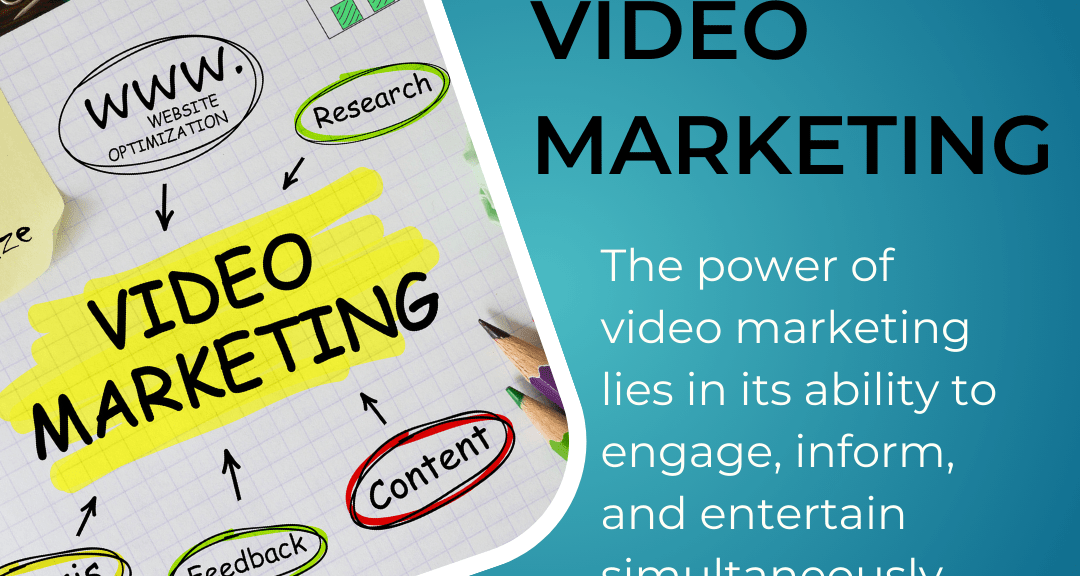
      The power of video marketing lies in its ability to engage, inform, and entertain simultaneously. By incorporating video into your digital marketing strategy and employing best practises, you can leverage this dynamic medium’s full potential, resulting in increased visibility, engagement, and conversions. 

    1. Voice Search Optimisation: Unleashing the Potential of Voice Assistants for Enhanced Discoverability 

      Voice Search Optimisation: Unleashing the Potential of Voice Assistants for Enhanced Discoverability 

      Introduction: 

      In an increasingly digital world, voice search has emerged as a prominent and convenient method for obtaining information, answers, and services. Virtual assistants like Siri, Alexa, and Google Assistant have revolutionised the way users interact with technology, presenting new opportunities for businesses to optimise their content and websites. Voice Search optimisation (VSO) is now a crucial aspect of digital marketing, ensuring that brands remain easily discoverable in the voice-driven landscape. In this article, we will explore the significance of VSO, discuss its benefits, and provide actionable strategies for optimising content and websites to thrive in the era of voice-based search. 

      The Significance of Voice Search Optimisation: 

      1. The Rise of Voice Search:  

      Voice-enabled devices have become an integral part of modern households, with users relying on voice search for tasks such as finding nearby businesses, checking the weather, setting reminders, and making purchases. The rapid adoption of smart speakers and voice assistants has made VSO essential for businesses aiming to stay competitive in the digital market. 

      1. Enhanced User Experience:  

      Voice search offers a more natural and conversational way for users to interact with devices, eliminating the need for manual typing and search queries. Optimising content for voice searches enhances the overall user experience, making it easier and quicker for users to find relevant information. 

      1. Local Search Dominance:  

      Voice searches often include phrases like “near me” or “close by,” indicating that many users employ voice assistants to find local businesses and services. By implementing VSO strategies, businesses can improve their local search rankings and attract more foot traffic from users seeking nearby solutions. 

      Benefits of Voice Search Optimisation: 

      1. Increased Website Traffic:  

      Websites that are optimised for voice search are more likely to appear in voice-based search results. As a result, businesses can experience increased website traffic and potentially attract new customers who prefer voice search over traditional methods. 

      1. Competitive Advantage:  

      Early adoption and implementation of VSO provide businesses with a competitive edge in the digital marketplace. By catering to the growing number of voice search users, brands can establish themselves as forward-thinking and customer-centric entities. 

      1. Better User Engagement:  

      Voice search optimisation focuses on providing direct and concise answers to user queries. This approach enhances user engagement as users receive immediate and relevant information, increasing the likelihood of positive interactions with the brand. 

      Strategies for Voice Search Optimisation: 

      1. Conversational Keywords:  

      Incorporate natural, long-tail, and conversational keywords into your content that align with how users speak and frame their queries. Focus on phrases that begin with question words like “how,” “what,” “where,” “when,” and “why.” 

      1. Local SEO Emphasis: 

       Optimise your website for local searches by including location-based keywords and information. Register your business with Google My Business and ensure that your contact details, address, and hours of operation are up-to-date. 

      1. Featured Snippets and Structured Data:  

      Create content that answers commonly asked questions related to your industry or niche. Utilise structured data to make it easier for search engines to understand and extract relevant information for featured snippets, which are often read aloud in voice search results. 

      1. Mobile Optimisation:  

      Voice searches are frequently conducted on mobile devices. To ensure a seamless experience for voice search users, prioritise having a mobile-friendly website that loads quickly. 

      1. Natural Language and User Intent:  

      Understand the intent behind user queries and address their needs directly. Optimise content to provide clear and concise answers that align with the user’s intent. 

      Conclusion: 

      Voice Search optimisation is an indispensable element of modern digital marketing. As voice search continues to gain popularity, businesses must adapt and optimise their content and websites to stay visible and relevant in the voice-driven landscape. By focusing on conversational keywords, local SEO, featured snippets, mobile optimisation, and user intent, brands can effectively position themselves to thrive in the era of voice-based search. Embracing VSO as a fundamental aspect of digital marketing strategies will not only enhance discoverability but also foster meaningful connections with the ever-expanding user base of voice assistants like Siri, Alexa, and Google Assistant. 

    2. Augmented Reality and Virtual Reality in Digital Marketing: Unleashing the Potential of Immersive Experiences 

      Augmented Reality and Virtual Reality in Digital Marketing: Unleashing the Potential of Immersive Experiences 

      In recent years, augmented reality (AR) and virtual reality (VR) have rapidly evolved from science-fiction fantasies into powerful tools that are reshaping various industries. Among these, digital marketing stands at the forefront of leveraging AR and VR technologies to create innovative, engaging, and memorable campaigns. By integrating these immersive experiences into marketing strategies, brands can captivate their audiences and forge deeper connections, ultimately driving conversions and brand loyalty. In this article, we will delve into the potential of AR and VR in marketing campaigns and explore real-world examples of successful AR and VR campaigns. 

      The Potential of AR and VR in Marketing Campaigns: 

      1. Enhanced User Engagement: 

       AR and VR technologies enable marketers to create interactive and captivating experiences that break through the clutter of traditional advertising. By allowing users to actively participate in the brand’s narrative, these immersive technologies foster a sense of curiosity and excitement, increasing user engagement and attention. 

      1. Personalised Brand Experience:  

      AR and VR enable brands to provide personalised experiences customised according to individual preferences and demographics. By analysing user data, marketers can create content that resonates with their target audience, providing them with relevant and emotionally impactful encounters. 

      1. Bridging the Gap Between Online and Offline Shopping:  

      AR and VR facilitate seamless integration between the physical and digital worlds. AR-powered try-on experiences, for instance, enable customers to virtually test products before making a purchase, bridging the gap between online and offline shopping experiences. 

      1. Boosting Brand Credibility:  

      Incorporating AR and VR into marketing campaigns showcases a brand’s willingness to embrace innovation and cutting-edge technologies. This move not only boosts brand credibility but also positions the company as a forward-thinking industry leader. 

      1. Data Collection and Analysis: 

       AR and VR interactions generate valuable user data, offering insights into consumer behaviour and preferences. Marketers can use this data to refine their campaigns, understand customer needs better, and make data-driven decisions. 

      Examples of Successful AR/VR Marketing Campaigns: 

      1. IKEA Place App:  

      The IKEA Place app employs AR technology to help customers visualise how IKEA furniture would look in their homes. Users can virtually place 3D models of furniture items in their living spaces, allowing them to assess size, colour, and overall aesthetics. By eliminating uncertainty in online furniture shopping, IKEA increased customer confidence and reduced returns, resulting in enhanced customer satisfaction and higher sales. 

      1. Pokémon GO:  

      Pokémon GO, developed by Niantic, is an AR-based mobile game that took the world by storm. The game encouraged players to explore their surroundings to find and capture virtual Pokémon. Several businesses capitalised on the game’s popularity by becoming PokéStops or Gyms, drawing in players and boosting foot traffic. This demonstrated how AR can be harnessed not only for direct advertising but also for attracting potential customers to physical locations. 

      1. Coca-Cola’s Virtual Reality Sleigh Ride:  

      Coca-Cola’s VR campaign during the holiday season allowed users to take a virtual sleigh ride with Santa Claus. The experience immersed users in a winter wonderland, capturing the magic of the season while subtly integrating Coca-Cola branding. The campaign successfully evoked a strong emotional response, associating the brand with positive feelings and festive joy. 

      Conclusion: 

      Augmented reality and virtual reality have emerged as game-changers in the realm of digital marketing. The ability to create immersive and interactive experiences empowers brands to connect with their audiences on a deeper level, enhancing engagement and driving business results. As technology continues to advance, we can expect AR and VR to become even more integral to marketing campaigns, revolutionising the way brands engage with their customers. By embracing these technologies, forward-thinking marketers can unlock the full potential of AR and VR, creating lasting and memorable impressions in the minds of their consumers. 

    3. Growth Hacking: Accelerating Success with Innovative Strategies for Startups and Small Businesses

      Growth Hacking: Accelerating Success with Innovative Strategies for Startups and Small Businesses

      In today’s hyper-competitive business landscape, startups and small businesses face numerous challenges in achieving rapid and scalable growth. Traditional marketing methods often prove costly and time-consuming, making it difficult for emerging ventures to gain the traction needed for sustainable success. Growth hacking comes into play precisely at this juncture. Growth hacking is a dynamic and innovative approach that utilises unconventional strategies to achieve exponential growth for startups and small businesses. In this article, we explore the core principles and techniques of growth hacking, highlighting its impact on fostering rapid and sustainable growth. 

      Understanding Growth Hacking: 

      Growth hacking is a term that originated in the technology sector but has since extended to various industries. At its core, growth hacking involves leveraging data-driven and creative tactics to accelerate user acquisition, retain customers, and boost business growth. Unlike traditional marketing approaches, which may rely heavily on substantial budgets and long-term strategies, growth hacking focuses on cost-effective, high-impact techniques to achieve swift results. 

      Key Principles of Growth Hacking: 

      1. Data-Driven Decision Making:  

      Growth hackers rely on data to make informed decisions. They use analytics and metrics to measure the performance of various strategies and identify which ones yield the best results. By continuously analysing user behaviour and feedback, growth hackers can optimise their efforts for maximum impact. 

      1. Product-Centric Approach: 

       Growth hacking emphasises the development of a remarkable product or service that genuinely fulfils the needs of its target audience. An exceptional offering becomes the foundation for word-of-mouth marketing and user retention, driving sustainable growth. 

      1. Experimentation and Iteration: 

       Growth hackers are not afraid to try unconventional ideas and take risks. They create hypotheses, implement experiments, and learn from the outcomes. This iterative process allows them to refine their strategies and uncover hidden opportunities. 

      1. Viral Marketing and Referral Programmes:  

      Leveraging the power of social sharing and word-of-mouth, growth hackers design viral marketing campaigns and referral programmes to rapidly expand their customer base. Encouraging users to share their positive experiences can lead to a domino effect of organic growth. 

      1. Personalization and Customer Engagement:  

      Growth hacking emphasises personalised customer experiences and continuous engagement. By understanding customers’ preferences and pain points, businesses can tailor their offerings to better meet their needs, fostering loyalty and repeat business. 

      Effective Growth Hacking Strategies: 

      1. A/B Testing: 

       Growth hackers frequently conduct A/B tests to compare different versions of landing pages, emails, or product features. By measuring user responses to each variant, they can identify the most effective options and refine their approach accordingly. 

      1. Content Marketing:  

      Creating valuable and shareable content is a powerful growth hacking strategy. Engaging blog posts, informative videos, and interactive infographics can attract and retain a loyal audience, ultimately driving more conversions. 

      1. Influencer Marketing:  

      Partnering with influencers in the industry can amplify a brand’s reach and credibility. Influencers can help businesses tap into their established audience and introduce products or services to a receptive and engaged audience. 

      1. Gamification:  

      Incorporating elements of gamification into the user experience can encourage user participation, loyalty, and social sharing. Gamified incentives, such as badges, rewards, and progress bars, can drive user engagement and foster a sense of accomplishment. 

      1. Social Media Engagement:  

      Active and authentic engagement on social media platforms can significantly boost a company’s visibility and attract potential customers. Responding promptly to customer inquiries and feedback demonstrates a commitment to excellent customer service. 

      Conclusion: 

      In the ever-evolving business landscape, growth hacking has proven to be a game-changer for startups and small businesses seeking rapid and scalable growth. By embracing innovative and unconventional strategies, businesses can achieve remarkable results without the need for significant financial investments. A data-driven, customer-centric, and experimentative approach sets the foundation for sustainable success in the dynamic world of growth hacking. As businesses continue to evolve and adapt, growth hacking will undoubtedly remain a crucial component of their growth strategy toolkit. 

    4. Customer Relationship Management (CRM): Fostering Customer Connections with Segmentation, Personalization, and Automation 

      Customer Relationship Management (CRM): Fostering Customer Connections with Segmentation, Personalization, and Automation 

      In today’s highly competitive business landscape, building strong and lasting customer relationships is crucial for sustainable success. CRM is a purposeful strategy that empowers businesses to efficiently oversee and cultivate customer relationships using a blend of techniques and tools. In this article, we will explore the significance of CRM and delve into three key pillars that drive successful customer relationship management: customer segmentation, personalization, and automation. 

      1. Understanding Customer Segmentation: 

      Customer segmentation entails categorising the customer base into separate groups according to common characteristics, preferences, and behaviours. By doing so, businesses can tailor their marketing efforts and customer interactions to address specific needs and preferences. Effective customer segmentation empowers companies to allocate resources more efficiently and create targeted marketing campaigns that resonate with each customer group. 

      How to Implement Customer Segmentation : 

      A. Demographic Segmentation:  

      Segmenting customers based on age, gender, location, income, and other demographic factors can help businesses understand their diverse customer base and deliver more relevant messaging. 

      B. Behavioural Segmentation:  

      Analysing customer behaviour, such as purchase history, website interactions, and engagement patterns, allows businesses to identify high-value customers, predict future needs, and tailor personalised offers. 

      C. Psychographic Segmentation:  

      Understanding customers’ interests, values, and lifestyle choices can help businesses align their messaging and product offerings with the emotional aspects of their customers’ lives. 

      1. Personalization: Creating Meaningful Connections : 

      Personalization is the art of tailoring products, services, and interactions to meet individual customer preferences. Customers now expect personalised experiences, and companies that excel in this area can significantly enhance customer loyalty and brand advocacy. Personalization goes beyond addressing customers by name; it involves understanding their unique preferences and delivering relevant content and recommendations. 

      Ways to Achieve Personalization: 

      A. Personalised Email Marketing:  

      Utilise CRM data to send targeted emails based on customer behaviour and preferences. Offering personalised product recommendations and exclusive promotions can significantly boost engagement and conversion rates. 

      B. Customised Website Experiences:  

      Implement website personalization to display content and offers that match each customer’s interests and browsing history. This approach enhances the overall user experience and increases the likelihood of conversions. 

      C. Tailored Product Recommendations:  

      Leverage CRM data and artificial intelligence to provide personalised product recommendations, similar to what major e-commerce platforms do. This creates a more enjoyable shopping experience and encourages repeat purchases. 

      1. Leveraging Automation for Efficiency and Consistency : 

      CRM automation streamlines repetitive tasks, enabling businesses to focus on building stronger relationships with customers. Automation not only saves time and resources but also ensures consistent and timely interactions with customers across various touchpoints. 

      Effective CRM Automation Techniques: 

      A. Automated Email Campaigns: 

       Set up automated email workflows triggered by specific actions or events, such as welcome emails for new customers, follow-up messages after purchases, or abandoned cart reminders. 

      B. Social Media Automation:  

      Utilise tools to schedule and publish social media posts, respond to customer inquiries, and track mentions and feedback efficiently. 

      C. Chatbots and Virtual Assistants: 

       Implement AI-powered chatbots to provide instant responses to customer queries, improving customer service and engagement around the clock. 

      Conclusion: 

      In the pursuit of forging lasting customer connections, Customer Relationship Management stands as the cornerstone of any prosperous business. By employing customer segmentation, personalization, and automation, companies can gain deeper insights into their customers, offer tailored experiences, and maintain consistent communication. Embracing CRM strategies and tools not only fosters customer loyalty but also sets businesses apart in a competitive market. As we move forward into the digital age, the art of managing and nurturing customer relationships will continue to evolve, and CRM will remain a fundamental pillar of success. 

    5. Mobile Marketing Best Practises: Driving Success in a Mobile-Centric World

      Mobile Marketing Best Practises: Driving Success in a Mobile-Centric World

      The rise of mobile devices has revolutionised the way consumers interact with brands and access information. As mobile usage continues to surge, businesses must adapt their digital marketing strategies to accommodate this growing trend. Mobile marketing presents an unparalleled opportunity to reach a broader audience, increase engagement, and drive conversions. In this article, we will explore essential tips and strategies to optimise digital marketing campaigns for mobile devices, covering mobile-friendly website design, mobile advertising, and mobile app marketing. 

      1. Mobile-Friendly Website Design 

      A significant first step in mobile marketing is ensuring your website is optimised for mobile devices. With more people browsing the internet on smartphones and tablets, a mobile-friendly website design is crucial for providing a seamless and engaging user experience. Above are a few best practises to achieve this: 

      a) Responsive Web Design:  

      Adopt a responsive design approach that automatically adjusts your website layout to fit various screen sizes. This ensures that your content looks appealing and is easily accessible across different devices. 

      b) Faster Loading Speed:  

      Optimise your website for faster loading times on mobile devices. Pages that load slowly can result in increased bounce rates and dissatisfied visitors. Compress images, reduce server response time, and use caching to enhance page load speed. 

      c) Intuitive Navigation:  

      Simplify your website’s navigation to accommodate mobile users. Implement user-friendly menus, clear call-to-action buttons, and ensure that visitors can find information effortlessly. 

      d) Streamlined Forms:  

      If your website requires form submissions, keep them concise and straightforward. Minimise the number of fields to fill in, making it easier for users to complete the forms on smaller screens. 

      1. Mobile Advertising 

      Mobile advertising is a powerful tool to target and engage with your audience on their mobile devices. To make the most of your mobile advertising campaigns, consider the following strategies: 

      a) Native Advertising:  

      Embrace native ad formats that seamlessly blend with the content of the apps or websites where they appear. Native ads are less intrusive and often result in higher engagement rates. 

      b) Video Ads:  

      Utilise video ads optimised for mobile viewing. Short, attention-grabbing videos tend to perform well on mobile devices and can effectively convey your brand message. 

      c) Location-Based Targeting:  

      Capitalise on location-based advertising to target users based on their geographical proximity to your business. Location-based ads can drive foot traffic to physical stores and enhance relevance for mobile users. 

      d) A/B Testing:  

      Continuously test different ad creatives, formats, and targeting options to optimise your mobile advertising efforts. Analysing data and refining your approach will lead to improved results over time. 

      1. Mobile App Marketing 

      If your business has a mobile app, effective marketing strategies can help drive app downloads and increase user engagement. Consider the following techniques: 

      a) App Store Optimisation (ASO):  

      Optimise your app’s listing in app stores with relevant keywords, a compelling description, and eye-catching visuals. ASO improves your app’s visibility in search results, increasing the likelihood of downloads. 

      b) In-App Messages:  

      Leverage in-app messaging to deliver personalised and timely notifications to app users. These messages can encourage users to take specific actions or inform them about exclusive offers. 

      c) Referral Programmes:  

      Implement referral programmes within your app to incentivize users to invite others to download and use the app. Referral marketing can be a cost-effective way to expand your user base. 

      d) User Feedback and Updates:  

      Encourage user feedback and actively respond to their reviews. Regularly update your app with bug fixes and new features to provide an improved user experience and retain loyal customers. 

      Conclusion 

      In today’s mobile-centric landscape, optimising digital marketing campaigns for mobile devices is imperative for businesses aiming to succeed in a competitive market. By adopting mobile-friendly website design, implementing effective mobile advertising, and employing thoughtful mobile app marketing strategies, brands can create meaningful interactions with their target audience. Embrace these best practises to enhance user experiences, increase engagement, and drive growth through mobile marketing. As mobile technology continues to evolve, staying ahead with innovative mobile marketing strategies will undoubtedly be a key differentiator for business success. 

    6. Unlocking the Power of Affiliate Marketing: Boosting Sales and Expanding Reach Through Collaborative Partnerships 

      Unlocking the Power of Affiliate Marketing: Boosting Sales and Expanding Reach Through Collaborative Partnerships 

      In the fast-paced world of digital marketing, businesses are continuously seeking effective strategies to drive sales and expand their reach. Affiliate marketing has emerged as a dynamic and result-driven approach, allowing companies to collaborate with affiliates who promote their products or services and earn a commission for each successful sale or lead generated. In this article, we will explore the potential of affiliate marketing and highlight how businesses can harness this powerful strategy to accelerate growth and maximise their online presence. 

      The Essence of Affiliate Marketing: 

      Affiliate marketing revolves around a simple but potent concept: collaboration and mutual benefit. By partnering with affiliates—individuals, bloggers, influencers, or businesses—companies can extend their marketing efforts to a broader audience and increase brand exposure. Affiliates, in turn, earn a commission for every customer they bring to the business through their unique referral link or promotional efforts. 

      1. Expanding Your Marketing Reach: 

      Affiliate marketing opens the door to a vast network of potential customers that businesses may not have reached through traditional marketing channels. By tapping into the influence and reach of affiliates, companies can connect with audiences they might otherwise struggle to access. 

      Affiliates often have well-established platforms, such as blogs, social media accounts, or YouTube channels, where they engage a loyal following. Leveraging these existing networks can significantly amplify a brand’s visibility and attract new customers. 

      1. Cost-Effective Performance-Based Model: 

      One of the most appealing aspects of affiliate marketing is its performance-based nature. Unlike traditional advertising, businesses only pay commissions when an affiliate successfully drives a sale or generates a lead. This cost-effectiveness makes it an attractive option for companies, especially startups or small businesses with limited marketing budgets. 

      By aligning compensation with actual results, affiliate marketing ensures that both the business and the affiliate share a common goal: driving conversions and maximising revenue. 

      1. Building Authentic Relationships: 

      The success of affiliate marketing lies in building authentic and mutually beneficial relationships. To establish successful partnerships, businesses must carefully select affiliates who align with their brand values, target audience, and industry niche. 

      Affiliates who genuinely believe in the products or services they promote are more likely to communicate that enthusiasm to their audience, resulting in more compelling and trustworthy promotional efforts. 

      Implementing a Successful Affiliate Marketing Strategy: 

      1. Choose the Right affiliates: 

      Thoroughly research potential affiliates to ensure they align with your brand’s identity and resonate with your target audience. Evaluate their online presence, engagement metrics, and content quality to determine whether they are a suitable fit for your products or services. 

      1. Offer Competitive Commissions and incentives: 

      Motivate affiliates to invest time and effort in promoting your brand by providing competitive commission rates and attractive incentives. A well-designed commission structure can inspire affiliates to go the extra mile to drive conversions and grow your business. 

      1. Provide Comprehensive Marketing support: 

      Empower affiliates with the resources they need to effectively promote your products or services. Offer them access to high-quality banners, images, videos, and promotional materials that align with your brand’s aesthetics and messaging. 

      1. Track and Analyse performance: 

      Implement robust tracking systems to monitor affiliate performance and measure the success of your campaigns. Analyse conversion rates, click-through rates, and other relevant metrics to identify top-performing affiliates and optimise your strategy for better results. 

      Conclusion: 

      Affiliate marketing has transformed the marketing landscape, offering a win-win situation for businesses and affiliates alike. By collaborating with affiliates who promote products or services and earn commissions based on performance, companies can expand their reach, drive sales, and establish authentic relationships with their target audience. Through careful affiliate selection, competitive incentives, and comprehensive marketing support, businesses can unlock the full potential of affiliate marketing and propel their growth in the competitive digital arena. Embrace affiliate marketing as a strategic approach and watch your brand flourish through collaborative partnerships that deliver tangible results. 

    7. Chatbot Marketing: Enhancing Customer Interactions, Support, and Data Collection with Intelligent Chatbots 

      Chatbot Marketing: Enhancing Customer Interactions, Support, and Data Collection with Intelligent Chatbots 

      As the world of digital marketing evolves, businesses are constantly seeking innovative ways to enhance customer interactions and streamline support processes. In recent times, chatbot marketing has emerged as a powerful tool to automate customer engagement, provide seamless support, and gather valuable data. In this article, we will explore the potential of chatbot marketing and discuss how implementing chatbots on websites or messaging platforms can revolutionise customer experiences and drive business growth. 

      The Rise of Chatbot Marketing: 

      Chatbots have transformed from simple conversational agents to sophisticated AI-powered assistants capable of simulating human-like interactions. Leveraging natural language processing and machine learning, chatbots have become an integral part of customer support and marketing strategies for businesses across various industries. 

      1. Automating Customer Interactions: 

      Chatbots empower businesses to offer real-time, round-the-clock support to customers without the need for human intervention. These virtual assistants can handle a wide range of customer inquiries, such as product information, order status, and FAQs, providing instant responses and enhancing customer satisfaction. 

      By automating routine interactions, businesses can free up their customer support teams to focus on more complex issues, leading to improved efficiency and reduced response times. 

      1. Seamless Support and Personalization: 

      Chatbots have the ability to engage customers in personalised conversations based on their preferences and past interactions. By analysing user data and behaviour, chatbots can tailor responses and recommendations, creating a more personalised experience for each customer. 

      Additionally, chatbots can guide users through the sales process, helping them find products or services that match their needs. This personalised support fosters a sense of trust and loyalty, leading to increased customer retention and repeat business. 

      1. Data Collection and Analysis: 

      Chatbots act as invaluable data collectors, gathering essential insights into customer behaviour, preferences, and pain points. This data can be analysed to identify patterns, trends, and areas for improvement, enabling businesses to make data-driven decisions and refine their marketing strategies. 

      By understanding customer preferences and pain points, businesses can fine-tune their offerings, launch targeted marketing campaigns, and deliver personalised recommendations, ultimately driving higher conversion rates and customer satisfaction. 

      Implementing Chatbots for Marketing Success: 

      1. Define Clear objectives: 

      Before implementing chatbots, establish clear objectives for their role in your marketing strategy. Determine the specific tasks and interactions you want chatbots to handle, such as providing customer support, guiding users through a sales funnel, or collecting feedback. 

      1. Optimise the user experience: 

      Ensure that your chatbot offers a seamless and user-friendly experience. Focus on natural language processing to make conversations feel more human-like and less robotic. Implement a user-friendly interface with clear call-to-action buttons and straightforward navigation to guide users effectively. 

      1. Personalization is key: 

      Utilise the data collected by chatbots to deliver personalised experiences to users. Tailor responses and recommendations based on their preferences and past interactions. Personalization fosters a sense of connection and increases the likelihood of customer engagement and conversion. 

      1. Constant Learning and Improvement: 

      Chatbots are not static; they require continuous learning and improvement. Monitor customer interactions regularly and analyse the data to identify areas where the chatbot can be optimised. Incorporate user feedback to enhance the chatbot’s capabilities and refine its responses. 

      Conclusion: 

      Chatbot marketing has revolutionised the way businesses interact with customers, providing automated support, personalised experiences, and valuable data insights. By leveraging chatbots to automate customer interactions, deliver personalised support, and gather essential data, businesses can enhance customer satisfaction, drive engagement, and ultimately boost their bottom line. As technology continues to advance, chatbots are poised to play an even more significant role in the future of marketing, making it essential for businesses to embrace this innovative approach to stay ahead in the competitive digital landscape.